
Anamaya Blog - Page 17 of 36 -

Anamaya: Blog

Yoga Retreat Guest Teacher April Taylor

DATE:  August 8 – 15, 2015 PRICES:  Check our Rates and Reservations page. PACKAGES:  Try one of our many Yoga Retreats. Yoga & Adventure, Yoga & Rejuvenation, or Yoga & Surfing. See more info on our Anamaya Retreat Packages (ARP). WORKSHOPS:  There will be two special workshops offered to our guests this week. A Partner

Read More »
Coffee with Coconut MIlk

Coconut Milk in your Coffee?

You just might be a convert by the time you get back home. Lactose intolerant, vegans, Paleos and other health conscious people have eschewed the use of dairy products in their diets.  There is evidence that dairy is not great for your health whether you have an intolerance to lactose or not.   Dr. Mark

Read More »
Jessie Migneault, yoga teacher

Jessie Migneault, Guest Yoga Teacher

Date:  May 31 – June 7, 2014 Prices:  Check our Rates and Reservations page Packages:  We have a number of different Yoga Retreats. Try our Yoga & Adventure, Yoga & Rejuvenation, Yoga & Surfing, or another option is only purchasing the yoga classes for the week without the other excursions. For more info please visit

Read More »
Rachel Elise

Yoga Retreat with Guest Teacher Rachel Elise

DATE:  Feb 7 – 14, 2015 PRICES:  Check our Rates and Reservations Page PACKAGES:  We have a number of Yoga Retreats. Try our Yoga & Rejuvenation, Yoga & Adventure, Pure Yoga or maybe a Yoga & Surfing Retreat. For more information visit our Anamaya Retreat Packages (ARP) page. We’re super excited to have Rachel Elise

Read More »
Basic Surfing Safety Tips

Surfing Safety and Etiquette

Gliding along on the ocean’s surface with a simple surfboard device can be one of the safest adventure water sports out there, especially when you make good judgments and know proper surfing etiquette. Here is a list of the things every surfer entering the water should know. Surfing Safety: 1. Know Your Beach. Every beach

Read More »
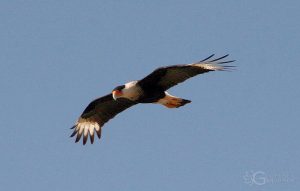
Caracara - Birds of Costa Rica

Caracara

Biology The Crested Caracara is one of the three species of caracaras found in Costa Rica. It is a member of the hawk family and is the national bird of Mexico. This shrewd bird has moved southwards and is often seen on roads, hunting for roadkills. They can also pursue vultures or pelicans in the

Read More »
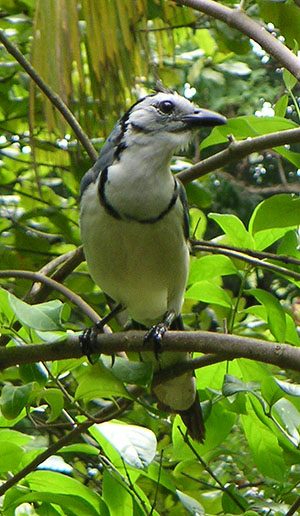
White-throated magpie jay of Costa Rica

White Throated Magpie Jay

Biology One of the New World jays, the white-throated magpie-jay is a big blue, black and white bird that features a sprightly black plume. It is primarily found in tropical dry forests, and goes along this habitat through its southern limit in Guanacaste, Costa Rica, turning it over to its close counterpart, the black-throated magpie-jay,

Read More »
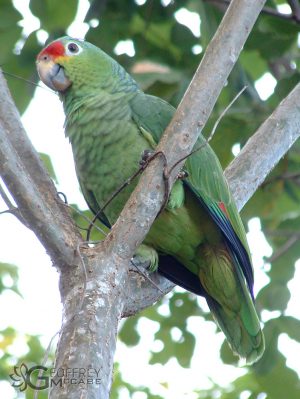
Red Lored Parrot

Red Lored Parrot

Biology The Red-lored Parrot also known as Primrose-cheeked Amazon or “loro cariamarillo” is endemic to the tropical regions of the Americas, from eastern Mexico south to Ecuador. A disjunct population exists in central Brazil, where it occurs in humid green to semi-deciduous forests up to 1,100 m altitude. Not originally known to belong to El

Read More »
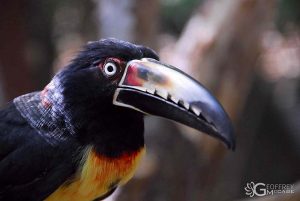
Collared Aracari

Aracari

Biology The collared aracari is a tiny peculiar-looking toucan with a obvious and awkwardly-oversized bill. It can be commonly spotted throughout its 500,000 square mile Latin American region, and frequently seen at Anamaya Resort, where groups of aracaris are often seeing foraging through local fruiting trees. There are 14 known species of aracaris, all sporting

Read More »
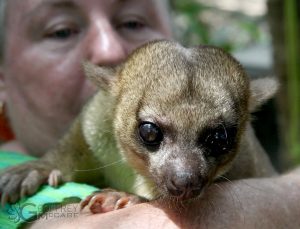
Kinkajou

Kinkajou

Biology The kinkajou is a rainforest mammal of the family Procyonidae related to olingos, coatis, raccoons, and the ringtail and cacomistle. It is the sole member of the potos family and is also known as the “honey bear” (a name that it shares with the sun bear). Kinkajous can often be confused with ferrets or

Read More »

Jaguarundi

Biology Jaguarundi can be found from northern Argentina to the south-western part of the United States. Their primary habitat lowlands, but they can be also be spotted high as 10,000ft. They seem to prefer regions enclosed with low or undersized shrubs or trees, close to water bodies, than dense and large areas of wet jungles.

Read More »

Anteater (Tamandua)

Biology Of the three anteater species in Costa Rica, the Northern Tamandua, or Lesser anteater as it is often called; is the most commonly spotted type of anteater. The Tamandua will grow to be about two feet long and weigh approximately ten pounds. It’s about half the size of the Giant anteater and has a

Read More »
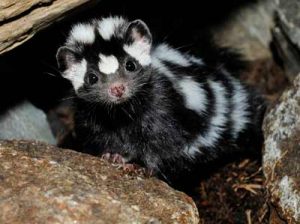
Spotted Skunk

Spotted Skunk

Biology The Western Spotted Skunk is a tiny, relatively slender skunk with glossy black fur interrupted with distinct white stripes on the forward part of the body. The posterior portion of the body has two interrupted white bands with one white spot on each side of the rump and a couple more at the base

Read More »
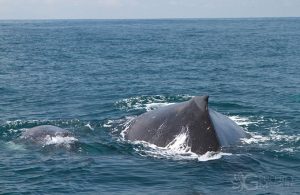
Humpback Whales in Costa Rica

Humpback Whales

Biology The humpback whale is one of the most recognizable whale species. Towering anywhere between 40 and 50 feet in length, a humpback whale can weigh up to a staggering 48 tons. They are easily identified from other whale species owing to their huge flippers, almost a third of their entire body size, and the

Read More »
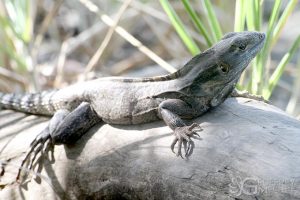
Ctenasaur / Iguana of Costa Rica

Ctenasaur

Biology This animal requires warm, sunny areas with perches, which may be stones, boulders, trees, snags, or fence posts to thrive. Beyond this specific need, its habitat is flexible. The ctenosaur can exist in beachside scrubs, dry deciduous and moist forests, and busy adjacent zones such as pastures. They can be found living unruffled in

Read More »
Scroll to Top